Table of Contents
Water damage is one of the most common reasons Florida homeowners file insurance claims. Burst pipes, roof leaks, storms, slow plumbing failures: they can turn a home upside down in a matter of minutes. But even when the damage is obvious, insurance companies don’t make the process simple. Coverage depends heavily on what caused the water intrusion, and insurers deny or underpay these claims far more often than most people expect.
If you’re dealing with water damage, don’t guess at what your policy covers. A wrong move early in the claim can cost you thousands. Before signing anything, giving a recorded statement, or accepting a low estimate, talk to an insurance dispute attorney who knows how these companies operate. Levin Litigation offers free consultations, and our team includes lawyers who used to work for insurers — so we know exactly how these cases get picked apart.
What Types of Water Damage Are Typically Covered by Homeowners Insurance?
Most policies cover water damage when it’s caused by a sudden and accidental event, also known as a “covered peril.” Florida insurers generally recognize the following as covered scenarios:
- Burst or broken pipes. If a pipe fails unexpectedly and causes interior water damage, the resulting cleanup and repairs are usually covered.
- Unexpected plumbing failures. Sudden leaks from supply lines, valves, or fixtures often fall under a covered peril unless the insurer claims poor maintenance or wear and tear.
- Appliance malfunctions. Dishwashers, washing machines, refrigerators, and water heaters can cause significant flooding when they fail. Many policies cover the resulting damage, but not the appliance repair itself.
- Storm-related water damage in specific situations. Wind-driven rain or water entering through storm-created openings is often covered. Flooding from rising water, however, requires separate flood insurance.
Even with clear policy language, insurance companies often push back with arguments about pre-existing damage, lack of maintenance, or “hidden leaks.” Florida homeowners see these denials constantly. If the insurer is trying to shift blame onto you, that’s a red flag to speak with a property damage insurance claims attorney right away.
Below are some of the frequently asked questions we hear from homeowners about water damage coverage in Florida:


Storm & Weather-Related Water Damage: FAQs
Does homeowners insurance cover storm water damage?

Often, yes. If the storm creates damage that allows water into the home, most policies cover resulting interior damage.
Does homeowners insurance cover water damage from heavy rain?
It depends on how the water entered. Wind-driven rain can be covered; rising groundwater requires flood insurance.
Does homeowners insurance cover water damage from hurricanes?
It depends:
- Wind-driven water damage from a hurricane can be covered.
- Flooding from storm surge is not covered under homeowners insurance and requires a separate flood policy.
Hurricanes are treated differently because insurers divide the damage into two categories: wind (which homeowners insurance may cover) and rising water (which they classify as flood). Even if the storm itself caused both, adjusters will separate the losses, and the flood portion is almost always excluded.
Roof Leaks & Exterior Intrusion: FAQs
Does homeowners insurance cover water damage from a leaking roof?
Roof damage and exterior water claims are a major headache in Florida. Insurers frequently deny them by arguing that the roof was old, worn, or poorly maintained. If the leak was caused by a sudden event (like wind damage or a fallen limb), the resulting interior damage is often covered.
Does homeowners insurance cover water damage from siding?
Coverage depends on the cause. Sudden damage is usually covered, while gradual deterioration is not.
Does homeowners insurance cover water damage to the ceiling?
Yes, when the water intrusion comes from a covered peril, such as a burst pipe or storm-damaged roof.
Does homeowners insurance cover water damage to floors?
Generally yes, if the cause of the water intrusion is covered. Insurers often try to claim “pre-existing” damage, so documentation is key.
Does homeowners insurance cover water damage to walls?
Interior wall damage is commonly covered when it results from a sudden water event.
Does homeowners insurance cover water damage from leaking windows?
Only if the leak stems from sudden damage. Long-term seepage around windows is a common reason insurers deny claims.

Plumbing, Pipes & Interior Fixtures: FAQs
Does homeowners insurance cover water damage from plumbing?
Plumbing failures are among the most common and most disruptive sources of water damage in Florida homes. A small break inside a wall can destroy flooring, drywall, and cabinets long before the homeowner realizes what happened. Mold is another layer of complication because policies often impose strict limits or exclusions depending on how the moisture started.
Most sudden plumbing failures are covered, but insurers may deny claims tied to corrosion or lack of maintenance.
Does homeowners insurance cover water damage from burst pipes?
Yes. Burst pipes are among the clearest examples of sudden and accidental damage.
Does homeowners insurance cover water damage from toilet overflow?
Usually, yes; unless the overflow is due to a sewer backup, which is typically excluded.
Does homeowners insurance cover water damage from leaking showers?
Only when the leak is sudden. Long-term shower pan failures or deteriorated grout lines are often excluded.

Appliance & Equipment-Related Water Damage: FAQs
Does homeowners insurance cover water damage from the dishwasher?
Dishwashers, washing machines, refrigerators, and other household appliances move a surprising amount of water. Most Florida homeowners policies cover water damage from a sudden appliance malfunction, but insurers frequently try to separate “covered damage” from “non-covered maintenance issues” to reduce payouts. Typically though, if the leak occurs suddenly, the damage is covered.
Does homeowners insurance cover water damage from the refrigerator?
Homeowners can run into problems when adjusters claim an appliance failed due to age, corrosion, or improper installation. However, if the cause was accidental, such as a failed line or broken component.
Does homeowners insurance cover water damage from the washing machine?
Sometimes. Sudden hose failures or internal malfunctions typically fall under covered perils.
Does homeowners insurance cover water damage from the water heater?
Yes, if the water heater fails suddenly. Wear and tear on the unit itself is not covered.
Does homeowners insurance cover water damage from the air conditioner?
Interior water damage from a sudden AC malfunction may be covered; clogged drain lines or neglected maintenance may lead to denials.
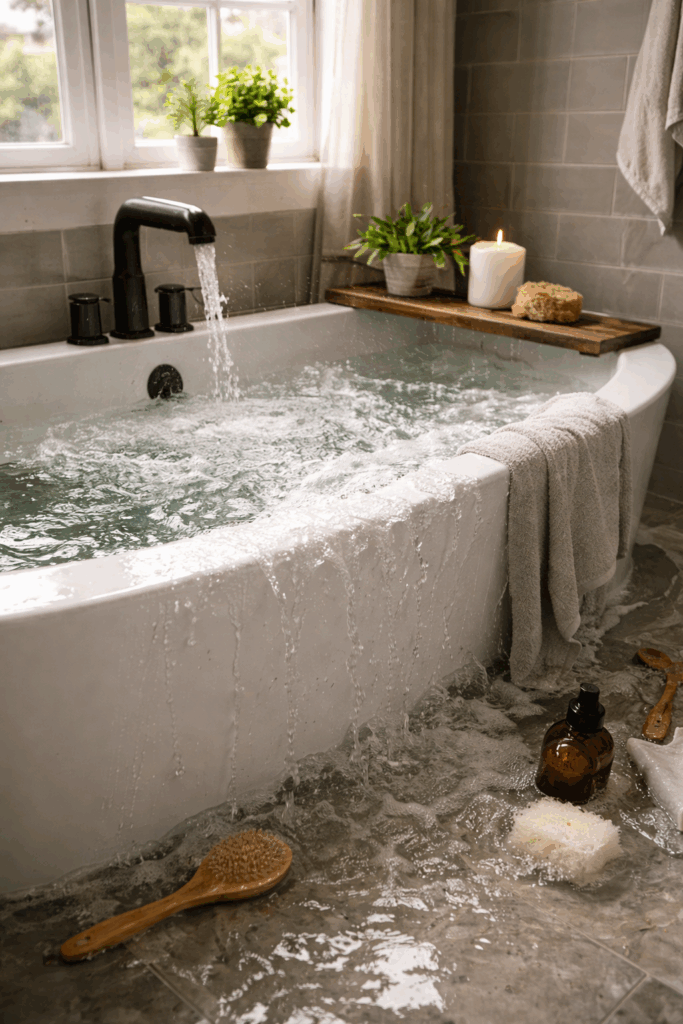
Does homeowners insurance cover water damage from a shower or bathtub overflow?
Accidental overflows are often covered, but mold or long-term structural deterioration may fall under exclusions.
Sewer, Drain & Backup Issues: FAQs
Does homeowners insurance cover water damage from sewer backup?
Backups and overflows from sewers or drains are typically excluded unless the homeowner purchased an added endorsement. Homeowners often don’t realize the exclusion exists until their claim is denied, making it one of the most frustrating categories of water damage.
Does homeowners insurance cover water damage from sump pump failure?
Most standard policies exclude it unless an endorsement was added.
Interior & Structural Water Damage: FAQs
Does homeowners insurance cover interior water damage?
Interior water damage is where homeowners often get mixed messages. Whether the damage is covered comes down to two things: how the water entered the home and whether a sudden, covered peril triggered the intrusion.
Does homeowners insurance cover water damage in the basement?
Not when the water comes from rising groundwater or flooding; that requires separate flood insurance. If the basement is damaged because of a sudden covered event inside the home — like a burst pipe or a plumbing failure, then the resulting repairs are often covered.
Does homeowners insurance cover ground water damage?
Groundwater damage is typically excluded and requires separate flood insurance.
Was Your Water Damage Claim Denied Or Underpaid? Levin Litigation Can Help
Insurance companies know water damage claims can be expensive, so they look for ways to minimize payouts. They may say the damage was “long-term,” argue the leak wasn’t sudden, or offer an estimate that barely covers demolition. You don’t have to take their word for it.
Levin Litigation has extensive experience handling denied, delayed, and underpaid claims. Our attorneys have worked inside insurance companies, so we understand the tactics insurers use to push homeowners into accepting less than they deserve. When you work with Levin Litigation, you get real communication, clear guidance, and a team that treats you like a person, not a file number.
If your water damage insurance claim isn’t being taken seriously, reach out for a free consultation. Our water damage lawyers will review your situation, explain your options, and help you push back against the insurer’s delays or excuses.