
Table of Contents
Boating accidents can be unexpected and devastating. Boating accident cases arise when these incidents lead to legal claims for injuries or damages. They often cause serious injuries or even fatalities. Whether you were a passenger, a boat operator, or another involved party, understanding your legal rights is crucial, as liability can rest with the boat owner, operator, or other parties depending on the circumstances. At Levin Litigation, our experienced attorneys guide you through the legal process to ensure you receive fair compensation.
Boating Accidents: Causes, Injuries, and Legal Steps
Boating accidents happen in Florida for a variety of reasons, and often, they occur when someone fails to operate their vessel responsibly. These accidents can involve collisions between boats, accidents caused by hazardous conditions on the water, or negligence by boat operators. Common examples include collisions, alcohol use, operator inexperience, and equipment failures. Regardless of the cause, victims of boating accidents may suffer significant injuries, ranging from minor cuts and bruises to life-threatening conditions such as head injuries, broken bones, or spinal cord injuries.
Boating accidents often occur when someone fails to operate their vessel responsibly. Common causes include:
- Operator negligence: Distracted driving, alcohol use, speeding, or ignoring maritime laws.
- Weather conditions: Poor visibility, storms, or rough waters.
- Defective equipment: Faulty boats, engines, or safety gear.
- Collisions: Boats crashing into other vessels, docks, or fixed objects.
- Inexperienced operators: Lack of proper training increases accident risks.
- Improper lookout: Failing to maintain a proper lookout can lead to preventable accidents.
- Machinery failure: Malfunctioning boat machinery can cause loss of control or accidents.
- Mechanical failure: Equipment breakdowns may result in crashes or injuries.
Jet skis are also frequently involved in boating accidents and can result in serious injuries. Many of the same risk factors that contribute to car accidents are also present in boating accidents. Intoxication is a leading cause of boating accidents, according to Coast Guard statistics. The Coast Guard plays a crucial role in tracking and reporting boating accidents, and their data helps identify the most common causes and highlight water safety concerns. Determining fault in boating accidents is often complex and may involve investigations by the Coast Guard and other authorities.
Victims may suffer minor cuts, bruises, or severe injuries like traumatic brain injuries, fractures, or spinal damage. Gathering evidence, seeking medical care, and consulting a boating accident lawyer promptly improves your chances of securing justice and compensation.
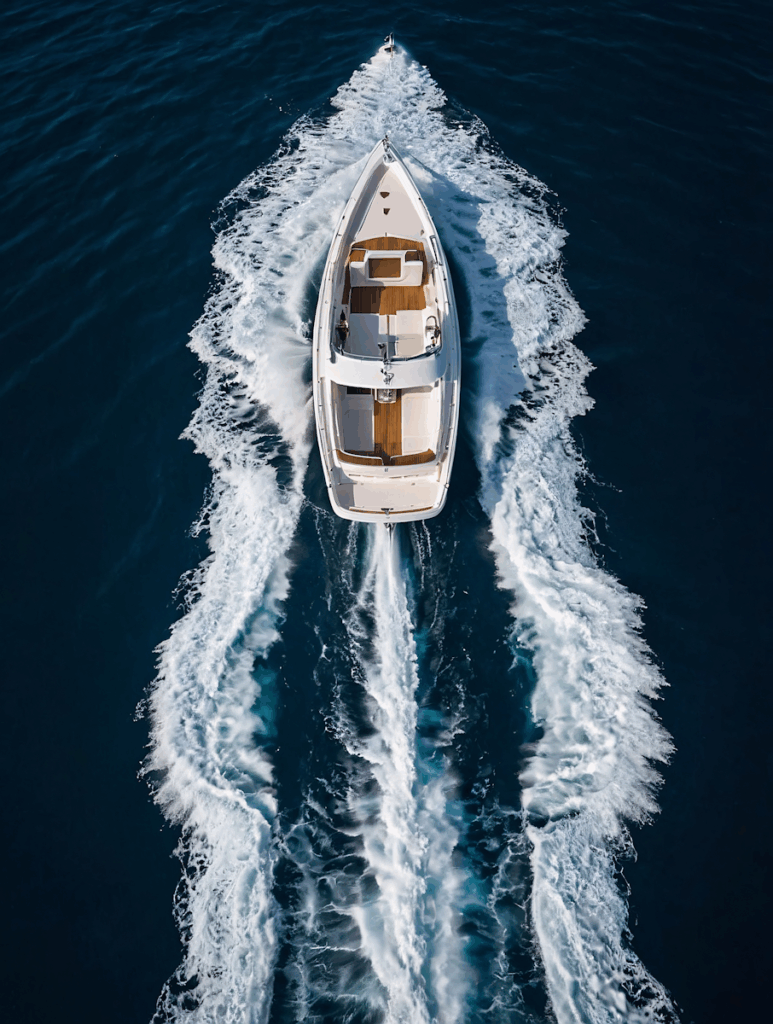
Common Causes of Boating Accidents
Boating accidents are most often caused by operator error, which is both the most common cause and leading cause of boating accidents according to Coast Guard statistics. Other contributing factors include:
- Operator negligence: This includes distracted driving, alcohol consumption, speeding, or failure to follow maritime laws. Operator inexperience and improper lookout are also leading causes of boating accidents.
- Weather conditions: Poor visibility, storms, or rough waters can contribute to accidents.
- Defective equipment: Faulty boats, engines, or safety equipment may cause accidents, with machinery or mechanical failure being significant factors.
- Collisions with other vessels: Boats may crash into other boats, docks, fixed objects, or stationary objects.
- Inexperienced operators: Lack of proper training can result in accidents and is a leading cause, similar to how inexperience contributes to car accidents.
By understanding the common causes of boating accidents, you can better assess whether negligence or other factors contributed to your situation.
Identifying the cause of your accident is crucial for building a strong case.
Accident Prevention: How to Stay Safe on the Water
Boating accidents can have devastating consequences, from serious injuries and emotional distress to overwhelming medical expenses and even wrongful death. While not every accident can be prevented, taking proactive steps to stay safe on the water can significantly reduce your risk. Understanding federal maritime law and following essential safety rules are crucial for every boat operator and passenger navigating Virginia’s navigable waters.
Here are some key ways to help prevent boating accidents and protect yourself and your loved ones:
- Wear a life jacket: Always wear a properly fitted life jacket, regardless of your swimming ability. Life jackets are a critical safeguard in the event of a boating accident and can be the difference between life and death.
- Operate at a safe speed: Excessive speed is a leading contributing factor in many boating accidents. Adjust your speed based on weather, water conditions, and the presence of other vessels or submerged objects.
- Avoid operator inattention: Stay alert and focused at all times. Operator inattention is a common cause of accidents, so eliminate distractions and keep your eyes on the water.
- Follow safety rules: Familiarize yourself with federal maritime law and local safety regulations, including requirements for life jackets, fire extinguishers, and signaling devices.
- Be aware of your surroundings: Watch for other vessels, swimmers, and fixed or submerged objects that could pose a hazard to your boat.
- Never operate under the influence: Alcohol impairs judgment and reaction time, increasing the risk of accidents and serious injuries. Always designate a sober boat operator.
- Take a boating safety course: Education is key. Completing a boating safety course can help you understand best practices and legal requirements for safe operation.
- Inspect your vessel regularly: Before heading out, check your boat and all safety equipment to ensure everything is in good working order.
Even with the best precautions, accidents can and do happen in Florida. If you or a family member is injured in a boating accident, it’s important to know your legal rights. Serious injuries such as broken bones, traumatic brain injury, or post traumatic stress disorder can lead to significant medical bills, lost wages, and a diminished quality of life. In the tragic event of a fatal boating accident, family members may be entitled to file a wrongful death claim to seek compensation for funeral expenses, non-economic damages, and other losses.
A knowledgeable boating accident lawyer can help you navigate the complexities of maritime law, determine liability, and pursue an accident lawsuit against the at fault party. Whether you’re seeking compensation for medical expenses, property damage, or emotional distress, partnering with an experienced law firm ensures your rights are protected and you have the best chance at a fair settlement.
How an Attorney Can Help After a Boating Accident
A boat accident attorney will be able to assist you in the following ways:
- Investigate the accident: They gather evidence, interview witnesses, and consult experts.
- Determining liability: Attorneys focus on determining liability by identifying whether vessel operators, boat owners, manufacturers, or another party can be held liable for the accident. They help prove negligence by gathering evidence that the other party’s actions were the direct cause of the injured person’s damages.
- Handle insurance claims: Lawyers manage negotiations with the insurance company to prevent insurers from undervaluing your claim, and emphasize the importance of collecting insurance information from all parties involved.
- Negotiate settlements: Many cases resolve through settlements; a lawyer helps secure fair compensation.
- Represent you in court: If settlement talks fail, your attorney will present a strong case in court.
- Guide you through the legal process: Filing a personal injury lawsuit or other legal claim involves specific legal stages, including drafting a complaint, conducting discovery, and potentially going to trial.
To succeed in a boating accident lawsuit, the injured person must prove negligence by showing four elements: duty of care, breach of duty, causation (direct cause), and actual harm. A boat accident lawsuit is only possible if the injured person has suffered real injuries. Missing statute of limitations deadlines can permanently bar a boating accident claim, so it is crucial to act promptly. Victims must report the accident to the appropriate state authority, and federal and Florida state laws require filing a formal Boat Accident Report within strict timeframes. Strong legal guidance is essential because maritime law is complex and statutes of limitations dictate strict deadlines for filing.
Contact Levin Litigation For Maximizing Your Chances of Fair Compensation
The outcome of a boating accident lawsuit typically results in either a negotiated settlement or a court verdict for damages. The settlement amount is influenced by the extent of injuries, property damage, and other case-specific details. Boating accident results often include compensation for both economic and non-economic damages, and having legal representation is crucial to recover the full amount you deserve. An experienced boat accident attorney in Florida knows how to provide you with the support you need to focus on your recovery while they handle the legal details. Contact Levin Litigation today to learn more on how we can help.