Table of Contents
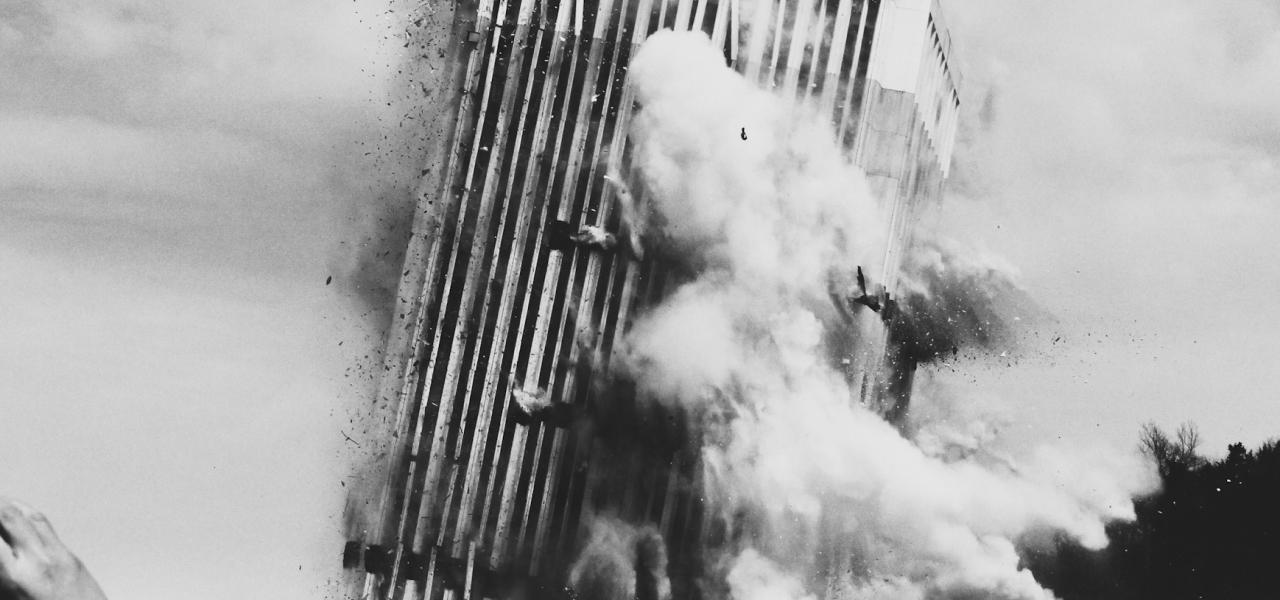
Collapse damage claims are among the most heavily disputed property insurance claims in Florida. Insurance policies apply narrow definitions of “collapse,” and insurers often classify structural damage as deterioration, settling, or wear and tear instead, leaving property owners facing denied or underpaid claims.
At Levin Litigation, we represent Florida property owners in all types of property damage insurance claims, including those involving partial collapse, hidden decay, and structural failure. We focus on holding insurers accountable when valid collapse claims are delayed, undervalued, or wrongfully denied.
What Counts as “Collapse” Under Florida Insurance Policies
Florida insurance policies don’t use the word “collapse” the way most property owners expect. In many cases, coverage applies only when there is an abrupt falling down or caving in of a building or part of a building, and not simply visible structural damage or instability. Even when a structure is clearly failing or unsafe, insurers often take the position that it has not legally “collapsed” under the policy language.
In other words, collapse coverage is typically limited to situations where there is a sudden structural failure, and where the loss can be tied to a covered cause under the policy, such as:
- Hidden decay
- Hidden insect or vermin damage
- The weight of rain, people, or building contents
Some policies also include narrow coverage for specific structural failures tied to construction defects, but these provisions are often heavily restricted and closely scrutinized.
Common Reasons Collapse Claims Get Denied
Insurers deny collapse claims regularly, and they tend to rely on a familiar set of arguments to do so. Understanding these positions can help property owners better recognize how coverage disputes develop and where claims are often challenged.
Denial reasons often include:
- Characterizing the damage as wear and tear or long-term deterioration rather than a covered collapse
- Classifying structural issues as settling, shrinkage, or foundation movement, which are typically excluded under most policies
- Relying on engineering reports that attribute the loss to excluded conditions rather than a covered cause
- Arguing that the failure occurred gradually over time rather than as a sudden collapse event, removing it from covered-event status
Each of these positions is a common coverage argument used in collapse disputes. A denial based on deterioration or settling, for example, may still be challenged if other evidence shows a covered cause contributed to the structural failure. How the claim is documented and evaluated from the outset can significantly affect how much room there is to dispute a denial later.
How to Prove a Collapse Insurance Claim
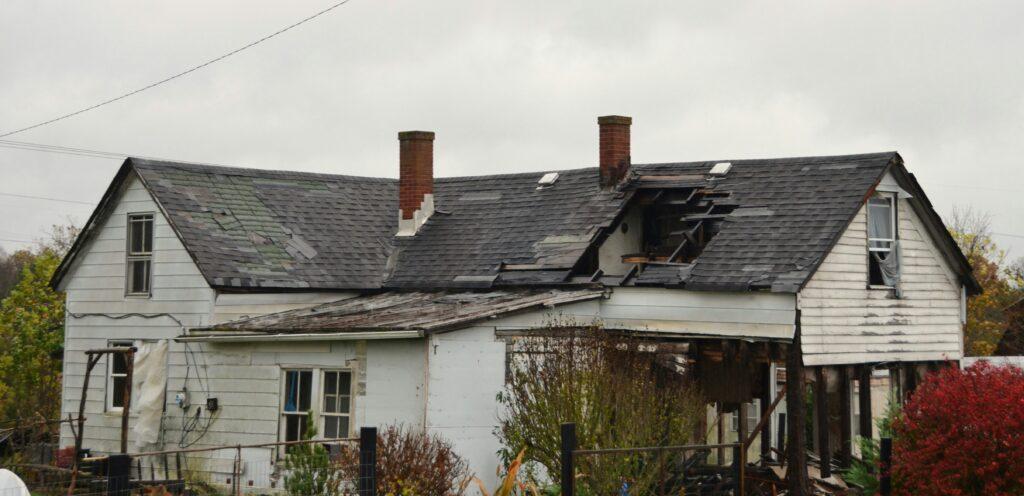
Proving a collapse insurance claim requires more than showing that significant damage occurred. A property owner must be able to demonstrate that the loss meets their policy’s definition of “collapse” and that it was caused by a covered peril rather than an excluded condition.
That typically involves:
- Documenting the structural failure in detail with photos, video, and written observations showing the extent of the damage and any loss of structural integrity
- Obtaining an independent structural engineer’s report evaluating the condition of the structure, including the cause of the failure.
- Presenting records that show the condition of the structure before the collapse, such as prior inspection reports, repair history, or maintenance records, if they exist.
The timing of evidence collection matters significantly. Once repairs are made or the structure is altered, it becomes more difficult to establish the original condition and cause of loss. For that reason, early documentation and independent expert involvement are often critical in collapse disputes.
When to Speak With a Florida Collapse Damage Lawyer
Not every collapse claim requires the involvement of a lawyer from the start, but certain circumstances make legal representation essential. It’s worth consulting an attorney if:
- Your claim has been denied, and the stated reason involves wear and tear, deterioration, or another excluded condition
- Your insurer is delaying your claim or repeatedly requesting additional documentation without reaching a coverage decision
- A payment has been issued, but it does not reflect the full scope of your structural damage
In these situations, a Florida collapse damage lawyer can review your policy language, assess the insurer’s stated basis for denial or limitation, and determine whether the coverage position is consistent with the facts and the policy. From there, they can advise you on the most effective way to move the claim forward.
How Levin Litigation Can Help
Levin Litigation represents Florida property owners in collapse and structural damage insurance disputes where insurers deny, delay, or underpay valid claims. We know how insurance companies evaluate these claims because many of our attorneys have worked on the insurance defense side, and we use that experience to anticipate how these cases get pushed back.
Our role is to take a complex, technical insurance dispute and make it manageable for you while applying pressure where it matters most.
That typically includes:
- Reviewing your policy and denial to clearly identify what the insurer is relying on
- Taking over communications with the insurance company so your claim is no longer handled one-sided
- Working with independent structural engineers and experts to understand the cause and scope of your damage
- Challenging insurer engineering reports that minimize or mischaracterize your loss
- Organizing the evidence and claim presentation so it aligns with the actual policy requirements
- Pursuing resolution through negotiation, appraisal, or litigation when the insurer refuses to pay what is owed
The difference is straightforward: you are not left trying to navigate the process or decipher insurance language on your own. We step in, handle the insurer, and drive your claim toward a fair outcome.
What to Do After a Collapse or Structural Failure
The steps taken in the first days after a collapse significantly affect the outcome of the claim. The immediate priority is safety. Secure the property, restrict access to unstable areas, and address any immediate hazards before focusing on documentation or the insurance process.
Once the property is safe to enter, it is important to preserve evidence of the condition of the structure before anything is changed:
- Photograph and video every affected area from multiple angles before anything is moved, repaired, or removed
- Include wider shots of the property as well as close-ups of specific failure points or structural damage
- Write down observations about what you are seeing, including where the damage appears to have originated and how it progressed
- Save any prior inspection reports, repair records, or maintenance history that may help show the condition of the structure before the collapse
- Report the claim to the insurer promptly, but avoid speculating about the cause of the loss at that stage
- Be cautious with recorded statements and insurer inspections, as both can influence how the claim is later characterized in the insurer’s file
- Avoid making temporary or permanent repairs until the damage has been fully documented and reviewed by qualified professionals, unless necessary for safety
Contacting an attorney early can also help protect the claim record before key decisions are made. In many cases, guidance at this stage helps ensure that documentation, inspections, and communications with the insurer do not unintentionally limit coverage arguments later in the process.
Schedule a Consultation With a Florida Collapse Damage Lawyer
Collapse claims are among the more frequently disputed property insurance claims in Florida. A denial, a delay, or a partial payment does not necessarily end the matter. Depending on the circumstances, there may still be a viable path to recovery.
Levin Litigation helps Florida property owners evaluate their options after a collapse or structural failure, whether the claim has just been filed or has already been denied. Contact us for a free consultation with one of our attorneys. We can help clarify what your policy covers, where the insurer’s position may be vulnerable, and what steps make sense given where things stand. We also handle cases on a contingency fee basis, so there is no fee unless we win.