Table of Contents


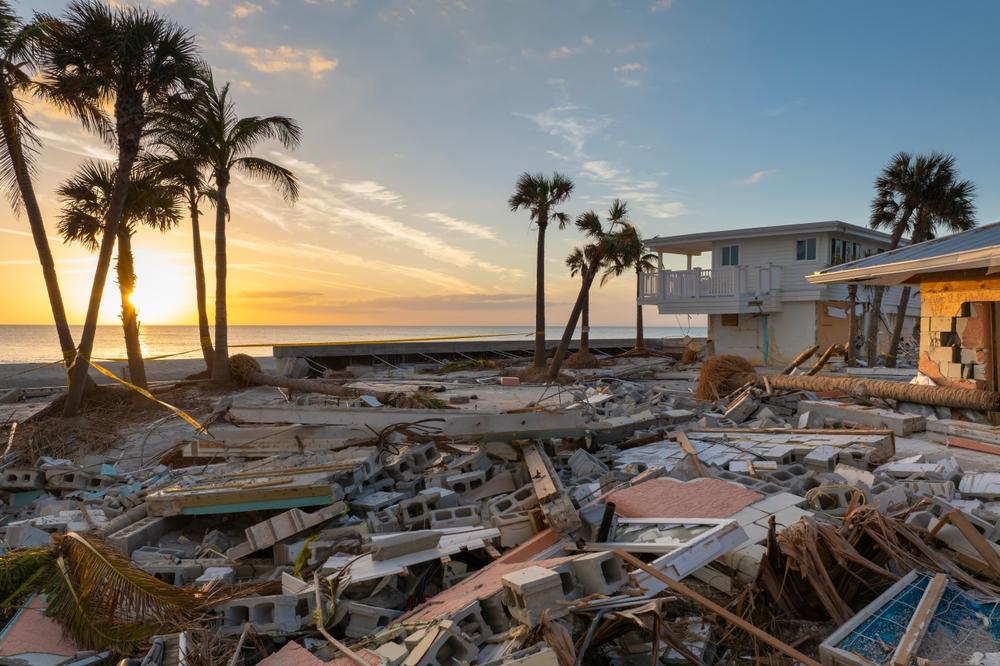
A hurricane can leave your home or business with serious damage, from missing roof tiles and broken windows to water-soaked walls, ceilings, and belongings. Repairing that damage can be expensive, especially when your insurance company blames the loss on pre-existing conditions, denies coverage, or offers far less than the repairs will cost.
At Levin Litigation, we represent Hollywood property owners in disputes involving hurricane and windstorm insurance claims. Our attorneys understand how insurers evaluate storm damage, and we challenge denials and settlement offers that don’t reflect the coverage you’re owed. Contact us for a free consultation to discuss your hurricane claim and how we can help.
Click here to schedule a confidential consultation or call our office at (954) 678-5155.
Common Reasons Why Hurricane Claims Get Disputed in Hollywood
Hurricanes can cause several types of damage at once, and not everything that happens during a storm is necessarily covered by the same insurance policy. In coastal communities like Hollywood, where properties face exposure to high winds, heavy rainfall, and storm surge, determining what caused the damage can become a significant point of disagreement.
Insurance companies may deny or undervalue hurricane claims for several reasons, including:
- Wind damage versus flooding: Standard homeowners policies generally cover hurricane wind damage but exclude flooding and storm surge. An insurer may argue that rising water, rather than covered wind, caused the loss.
- Pre-existing damage and wear: Insurers may attribute roof leaks, structural damage, or other problems to age, deterioration, or poor maintenance rather than the hurricane.
- Disagreements over repair costs: An insurer might approve replacing a few roof tiles when more extensive work is necessary, underestimate labor and material costs, or omit repairs needed to comply with building codes.
- Deductibles and policy limits: Florida hurricane deductibles are often calculated as a percentage of the insured property’s value under the policy rather than a flat amount. Incorrect calculations, depreciation, and limits on particular types of property can significantly reduce a payment.
A low settlement offer doesn’t automatically mean an insurer has done something wrong. However, you should be able to understand how the company calculated its payment, what damage it excluded, and which provisions of your policy support those decisions.
When the insurer’s findings don’t match the actual condition of your property, independent inspections, repair estimates, and a careful review of the policy can provide grounds to challenge its decision.
Why Choose Levin Litigation for Your Hurricane Claim?
When your insurance company offers less than it will cost to repair your property, you’re left with a difficult choice: find a way to pay the difference or challenge the insurer’s decision. But how do you prove that the company overlooked damage, underestimated repairs, or incorrectly denied coverage? That’s where an experienced hurricane claims attorney can make a difference.
At Levin Litigation, several of our attorneys previously represented insurance companies in property damage disputes. We understand how insurers investigate claims, assess damage, and determine what they’re willing to pay. Having handled thousands of property damage claims, we know what to look for when an insurer’s findings don’t reflect the full extent of a loss, and how to build a case for the compensation our clients deserve.
When you hire our Hollywood hurricane damage claims attorneys, we can help by:
- Identifying the coverage you’re owed: We review your policy to determine what damage should be covered and whether the insurer has correctly applied its deductibles, exclusions, and coverage limits.
- Documenting the full extent of your losses: We work with qualified contractors, engineers, and other professionals when necessary to identify damage the insurer may have missed and establish what it will take to repair your property.
- Challenging inadequate estimates: We compare the insurer’s assessment against the actual damage and necessary repairs, identifying missing work, underestimated costs, and unsupported reasons for denying payment.
- Dealing directly with the insurer: We handle communications, respond to requests for information, coordinate additional inspections, and guide you through examinations under oath so you don’t have to manage the dispute alone.
- Fighting for a fair settlement: We negotiate with the insurer, pursue appraisal or mediation when appropriate, and take the case to court when necessary to recover the benefits owed under your policy.
From our office at 6100 Hollywood Boulevard, Suite 520, Hollywood, FL 33024, we help property owners throughout Broward County challenge insurance decisions and pursue the money they need to repair their homes and businesses. We offer free consultations and handle hurricane insurance disputes on a contingency fee basis, meaning you pay no attorney fee unless we recover compensation for you.
Talk To an Experienced Lawyer About Your Case.
100% Confidential. No obligation. No fees.

Types of Hurricane Damage Claims We Handle in Hollywood
Levin Litigation helps homeowners and businesses pursue claims involving:
- Roof damage: High winds can lift shingles, displace tiles, damage flashing, and compromise roofing materials. Insurers may dispute whether the damage requires isolated repairs or a larger replacement. Learn more about our roof damage insurance claim services.
- Water intrusion: Rain entering through storm-damaged roofs, windows, or doors can damage ceilings, walls, insulation, and belongings. Coverage under hurricane wind provisions often depends on whether wind first created the opening that allowed the water inside. Our water damage attorneys can help evaluate these disputes.
- Windborne debris and fallen trees: Flying objects and falling branches can damage roofs, siding, windows, and structural components. Disputes may involve the extent of the damage or the cost of removing debris and making repairs.
- Windows, doors, and hurricane shutters: Strong winds and flying debris can break glass, damage frames, and compromise protective systems, sometimes allowing additional rainwater into the building.
- Fences, pool enclosures, and other structures: Damage to detached structures and exterior improvements may be covered differently from damage to the main building, with separate limits or exclusions.
- Flood and storm surge damage: Rising water generally falls outside standard homeowners insurance coverage and requires a separate flood policy. We also handle disputes involving flood damage insurance claims.
- Commercial property and business interruption: Hurricanes can damage business premises, equipment, and inventory while forcing businesses to suspend operations. Depending on the policy and cause of the interruption, coverage may extend to certain lost income and continuing expenses. Learn more about our commercial property insurance dispute services.
Hurricane Insurance Claim Deadlines and Your Rights in Florida
Florida law sets deadlines for reporting hurricane damage, responding to insurance claims, and taking legal action. Understanding these time limits is important because missing a deadline can affect your ability to recover compensation, even when the damage would otherwise be covered.
Here are the key deadlines property owners should know:
- Reporting a new or reopened claim: You generally have one year from the date of loss to report hurricane damage to your insurance company.
- Submitting a supplemental claim: You generally have 18 months from the date of loss to report additional damage or repair costs. This is particularly important after hurricanes because hidden roof damage, water intrusion, and other problems may not become apparent until repairs begin.
- Insurer acknowledgment: Insurance companies generally must acknowledge communications about a claim within seven calendar days, subject to certain exceptions.
- Payment or denial: Insurers generally have 60 days after receiving notice to pay or deny residential property claims and certain commercial property claims, although exceptions and extensions may apply. Interest may be owed on late payments.
- Filing a lawsuit: Under current Florida law, you generally have five years from the date of loss to file a lawsuit for breach of a property insurance contract, although different rules may govern older claims. Florida also generally requires advance notice before filing a covered property insurance lawsuit.
Missing an insurance claim deadline can limit your options, but the time allowed to challenge a denied or underpaid claim may be different from the deadline for reporting the damage. Our attorneys can review when your loss occurred, what you reported to the insurer, and how the claim was handled to determine whether you can still pursue compensation.
Click here to schedule a confidential consultation or call our office at (954) 678-5155.
What to Do After a Hurricane Damages Your Property
The steps you take after a hurricane can help protect your property and preserve evidence for an insurance claim. Even if you’ve already reported the damage, there may be important documentation worth gathering before repairs are completed.
Document the Damage
Photograph or record damage to your roof, exterior walls, windows, interior rooms, and belongings. Capture the full extent of the damage before cleanup or repairs whenever possible. If you have photographs showing your property’s condition before the hurricane, preserve those as well.
Prevent Further Damage and Keep Your Receipts
Take reasonable steps to protect your property from additional damage, such as arranging roof tarping or water extraction. Save receipts for temporary repairs, contractor estimates, and other expenses associated with the loss. If you had to relocate while your home was uninhabitable, keep records of your lodging and related costs.
Report the Claim and Track Your Insurer’s Response
Notify your insurance company promptly and keep copies of your claim correspondence, inspection reports, and settlement estimates. Maintain a record of conversations with the adjuster, including dates and any requests for additional information. These records can become important if you later discover that the insurer overlooked damage or underestimated the repairs.
If your insurer denies coverage, offers less than the repairs will cost, or requests an examination under oath, consider speaking with a hurricane claims attorney in Hollywood before responding or accepting a settlement.
Hollywood Hurricane Claims FAQs

Does Homeowners Insurance Cover Flooding From a Hurricane?

Standard homeowners insurance generally does not cover flooding caused by storm surge, overflowing waterways, or rising water. Those losses typically require separate coverage through the National Flood Insurance Program (NFIP) or a private flood policy. However, rain entering through an opening created by hurricane winds may qualify for coverage under your homeowners policy. Determining how the water entered and what caused the damage is often essential to resolving the claim.
What if I Discover More Hurricane Damage After My Claim Is Closed?
You may be able to request additional compensation, but the type of claim and reporting deadline matter. A reopened claim generally concerns additional costs for previously disclosed damage, while a supplemental claim can address additional loss or repair costs associated with a previously adjusted or qualifying open claim.
Can My Insurer Deny a Roof Claim Because of the Roof’s Age?
An older roof isn’t automatically excluded from hurricane coverage. However, insurance companies may deny damage they determine resulted from deterioration, poor maintenance, or other excluded conditions rather than the storm. The distinction matters because a roof can have ordinary wear and still sustain new hurricane damage. Photographs, maintenance records, and independent inspections can help establish what changed during the storm and whether the resulting damage is covered.
How Long Does a Hurricane Insurance Claim Take to Resolve?
Florida generally requires residential property insurers to pay or deny claims within 60 days of receiving notice, subject to certain exceptions. However, that deadline doesn’t mean every dispute must be fully resolved within 60 days. If the insurer’s findings are challenged, additional inspections, negotiations, appraisal, mediation, or litigation may be necessary. The overall timeline depends on the complexity of the damage, the insurer’s response, and whether the parties can reach an agreement.
Talk to a Hurricane Damage Lawyer in Hollywood Today
If your insurance company has denied or underpaid your hurricane damage claim, Levin Litigation can help you understand what your policy covers and whether you have grounds to challenge the insurer’s decision. Our attorneys represent homeowners and businesses throughout Hollywood, Dania Beach, Hallandale Beach, Pembroke Pines, Miramar, Davie, and the rest of Broward County.
Contact us to schedule a free consultation. We handle hurricane claims on a contingency fee basis, so you pay no attorney fee unless we recover compensation for you.